
Hernia & Soft Tissue Ultrasound Scan
A Hernia & Soft Tissue Ultrasound Scan is a safe, non-invasive imaging test that evaluates the muscles, soft tissues, and groin area to detect hernias and other abnormalities. Ultrasound is particularly effective for identifying conditions that may cause pain, swelling, or lumps, providing clear and detailed images without the need for radiation.
Scan Details
Cost:
Hernia Scan: £150
Soft Tissue Scan (One Area): £150
No GP referral required.
*£30 Deposit required today.
Appointment & Cancellation Policy
To secure your scan appointment at our North End Road Clinic, a non-refundable deposit of £30 is required at the time of booking. The remaining balance of £120 (Hernia Scan) / £120 (Soft Tissue Scan) is payable at the clinic following your scan.
Cancellation & Fees:
48-Hour Notice: If you cancel or reschedule your appointment with less than 48 hours' notice, the deposit will not be returned.
Processing Fees: In the event of a cancellation, any transaction or administrative fees charged to Ultramsono by the card provider will be deducted from any potential refund or charged to You / The customer.
What common types of hernias are there?
Inguinal hernia – most common in men
Femoral hernia – more common in women
Umbilical, Epigastric, Incisional, and Spigelian hernias
In addition to hernias, soft tissue ultrasound can detect cysts, lipomas, ganglion cysts, enlarged lymph nodes, and other soft tissue abnormalities. In some cases, the scan may also reveal signs of an abdominal aortic aneurysm (AAA), which would require further evaluation by a specialist.
This scan is quick, painless, and non-invasive, making it a reliable method for assessing a range of soft tissue and hernia-related conditions. Early detection helps guide appropriate management and treatment, ensuring better outcomes and relief from discomfort.
What are the reasons for this scan?
A palpable lump or bulge, mainly in the groin region
Pain caused by a lump or swelling
How are the Hernia and Soft Tissue Scans performed?
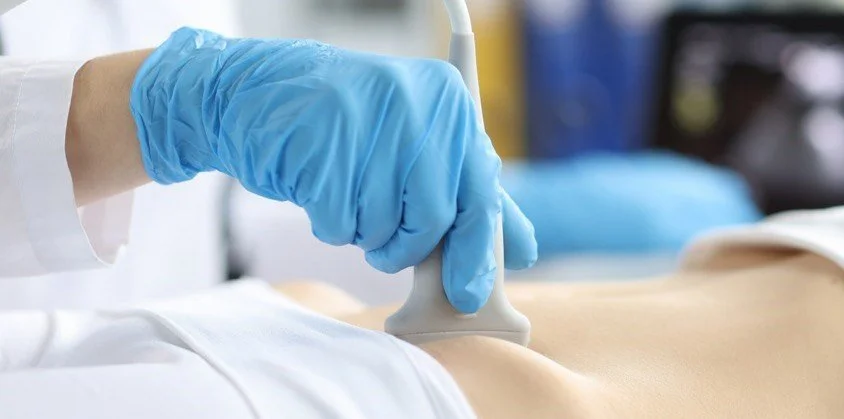
During the scan, you will typically lie on an examination table while a water-based gel is applied to the area being examined. The transducer is then moved over the skin, sending sound waves into the body and receiving echoes that are converted into images on a computer screen. This allows the clinician to visualise soft tissues and detect any hernias or abnormalities. In some cases, you may be asked to cough or strain while standing, as this can help reveal hernias. The scan is painless, non-invasive, and carries no known risks.
What are the preparations for Hernia & Soft Tissue Scans?
No special preparation is required for this scan. Patients are advised to wear loose, comfortable clothing that allows easy access to the area being examined.
What are the limitations of Soft Tissue Scans?
While ultrasound is highly effective for evaluating soft tissue masses, it has limitations. In some cases, it may not definitively diagnose a mass or distinguish between benign and malignant lesions. Additional imaging, such as MRI or CT scans, may be needed to provide a more complete assessment and guide appropriate treatment. It is important to consult your healthcare provider to determine the most suitable imaging approach based on your individual circumstances.
Appointment & Cancellation Policy
To secure your scan appointment at our North End Road Clinic, a non-refundable deposit of £30 is required at the time of booking. The remaining balance of £120 (Hernia Scan) / £120 (Soft Tissue Scan) is payable at the clinic following your scan.
Cancellation & Fees:
48-Hour Notice: If you cancel or reschedule your appointment with less than 48 hours' notice, the deposit will not be returned.
Processing Fees: In the event of a cancellation, any transaction or administrative fees charged to Ultramsono by the card provider will be deducted from any potential refund or charged to You / The customer.
Frequently Asked Questions
-
A:
Elbow joint
Tendons
Ligaments
Muscles
Nerves
-
A: While ultrasound is highly effective for evaluating soft tissue masses, it has limitations. In some cases, it may not definitively diagnose a mass or distinguish between benign and malignant lesions. Additional imaging, such as MRI or CT scans, may be needed to provide a more complete assessment and guide appropriate treatment. It is important to consult your healthcare provider to determine the most suitable imaging approach based on your individual circumstances.
-
A:
A palpable lump or bulge, mainly in the groin region
Pain caused by a lump or swelling